 BEYOND LABELS
Overview
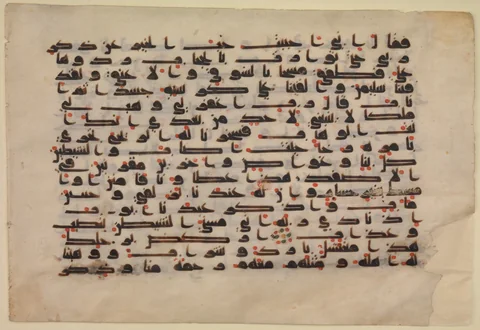
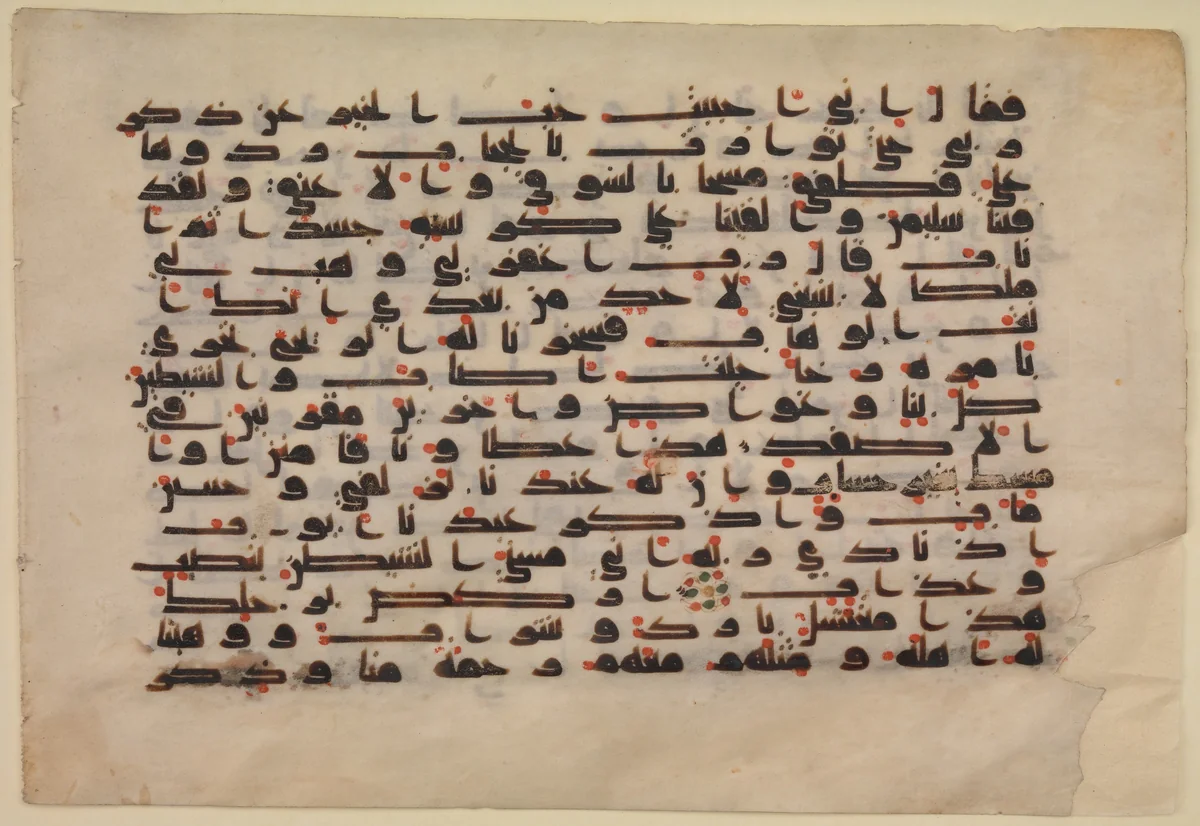
Quran 2:280 addresses a debtor in hardship and calls for time until repayment becomes manageable. It also commends relinquishing the debt as charity.
Context and meaning
The verse appears in a discussion of financial dealings and interest. It highlights how financial obligations can be approached with attention to a borrower’s circumstances. In a hypothetical example, a creditor agrees to a realistic extension when a borrower loses their income.
Evidence and limits
The illustration is not financial or legal advice. Contemporary insolvency, debt collection and lending rules differ by jurisdiction and cannot be derived from this verse alone.
Sources and references
- Scripture and translationsQuran 2:280 — Hardship and debt
Editorial draft; independent specialist review remains pending.