 BEYOND LABELS
READING GUIDE · 6
Daily life across cultures
Explore routines, celebrations, belonging and personal choices.
Educational preview: all linked articles await independent review. Guides are not certifications or definitive interpretations.
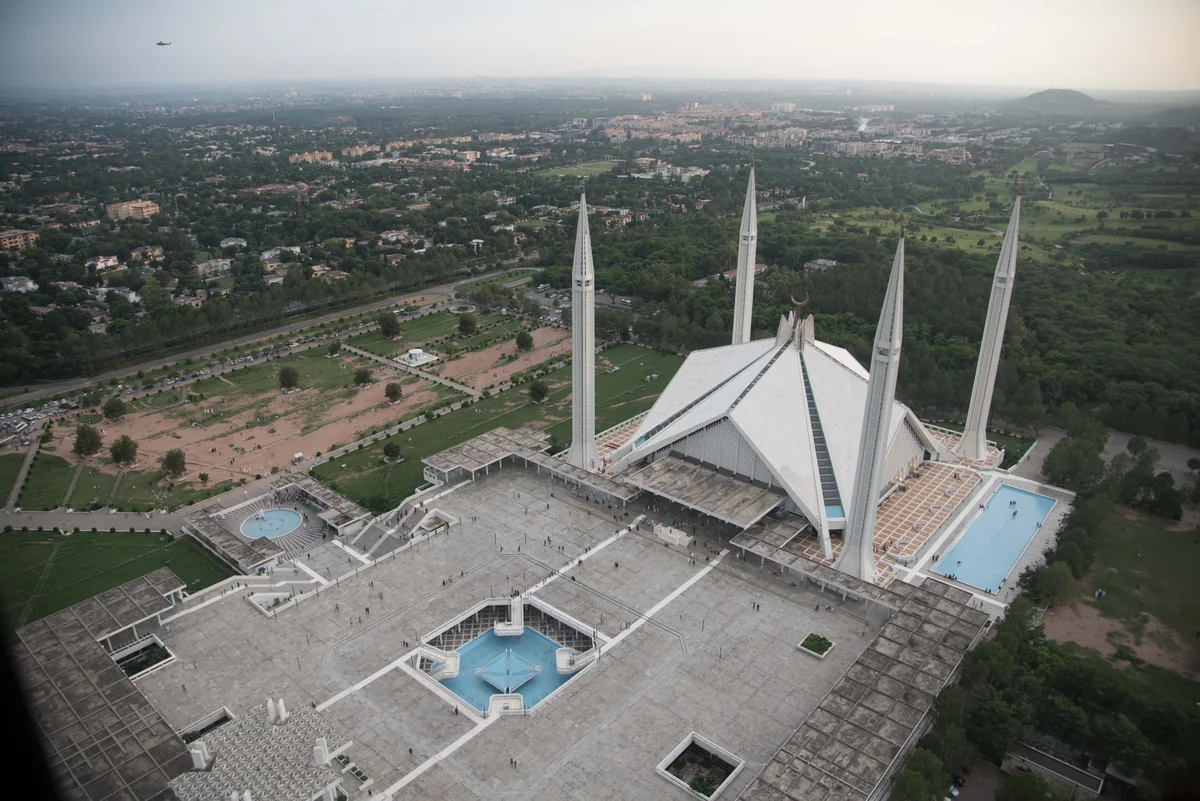
Section photograph · An aerial photograph of Faisal Mosque in Islamabad, Pakistan, 2018. Photo credit and license
Muslim identity in everyday American life
Muslim communities include people with varied national origins, family histories, occupations and religious practices. A Pew analysis of U.S. Muslims examines demographic and religious differences within the population rather than treating it as a single bloc.
While reading: Which findings are specific to the United States?
Black Muslim communities in America
Pew’s 2019 analysis of its 2017 survey highlighted the important presence of Black Muslims in the United States. It also found varied religious backgrounds among respondents. The Smithsonian’s National Museum of African American History and Culture explores how Ramadan and Islamic traditions intersect with African American history.
While reading: How does the historical context affect this account?
Many cultures, many Ramadan tables
The Smithsonian Asian Pacific American Center’s feature on Ramadan food traditions explores the relationship between shared meals and cultural memory. Dates are a familiar element for many families, while the rest of a meal may reflect regional ingredients and family recipes.
While reading: Distinguish a shared practice from regional customs.
Ramadan at work and school
Fasting can change meal schedules and daily routines. Britain’s Public and Commercial Services Union suggests practical ways colleagues can be considerate during Ramadan, such as discussing scheduling preferences. Acas offers broader guidance on respecting religious practices at work.
While reading: What might vary between workplaces and individuals?
Why do some Muslim women cover their heads?
Quran 24:31 is among the passages discussed in relation to modest dress. Interpretations, laws and individual choices vary. Some women describe covering as faith or identity; others may face social or legal pressure. Do not assume an individual’s reasons.
While reading: Distinguish personal explanations from general religious interpretations.
Eid: celebration and belonging
Eid al-Fitr marks the conclusion of Ramadan. The Smithsonian’s 2015 photo essay shows how the occasion is celebrated in different parts of the world. Prayer, visits, festive clothing and sweets feature in many celebrations, but local customs give each gathering its own character.
While reading: Which aspects of celebration are described in the source?