 BEYOND LABELS
What the sources show
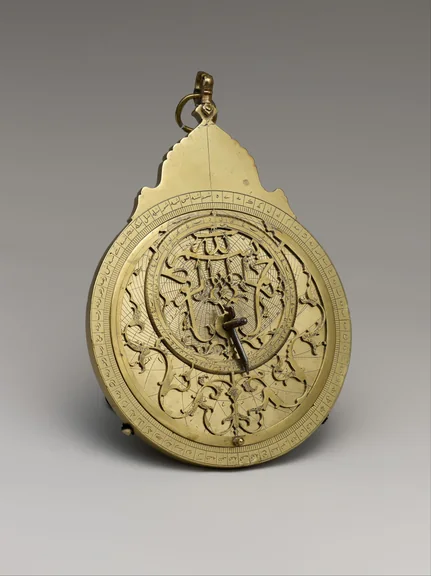
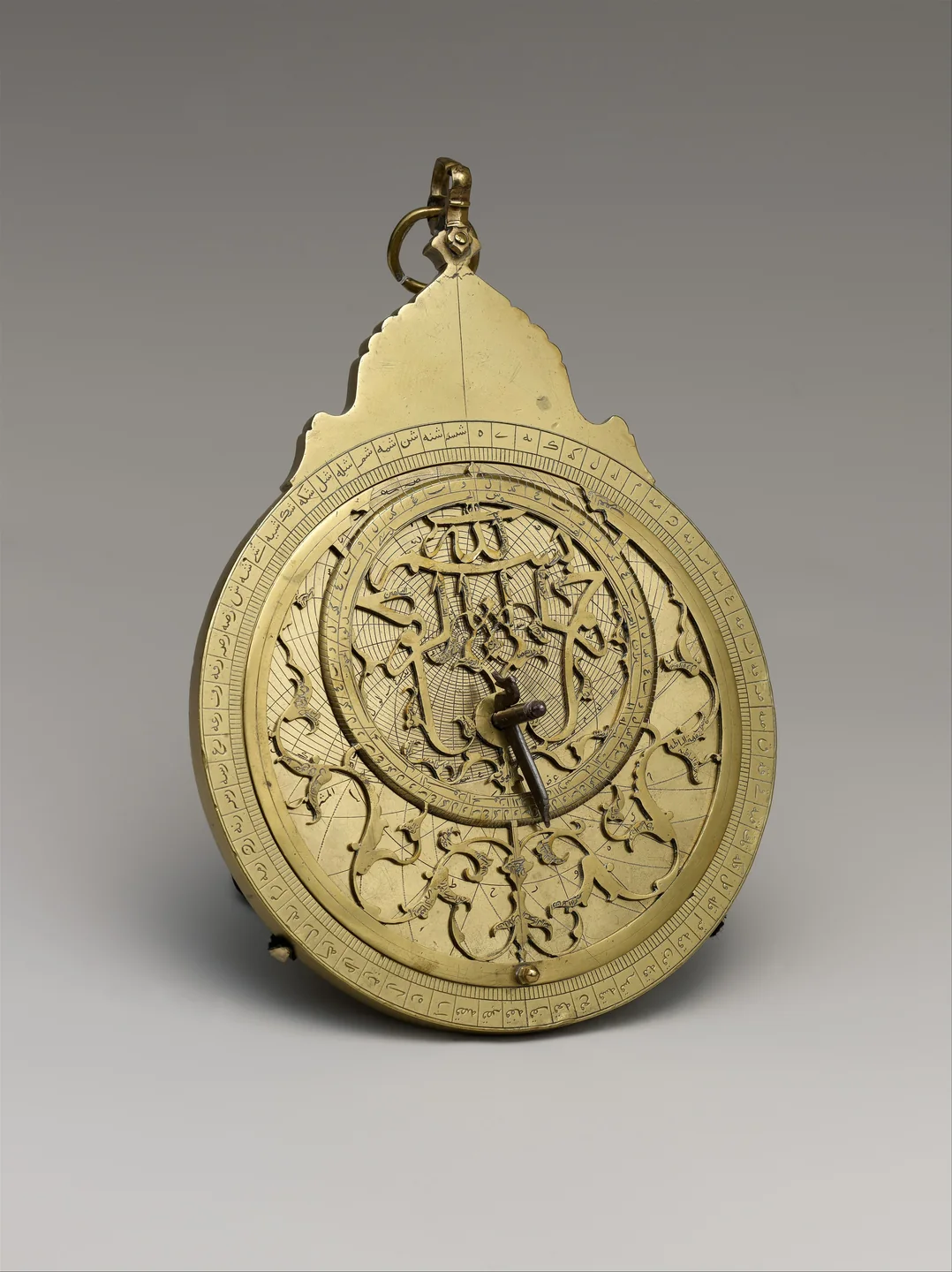
The History of Science Museum at Oxford holds astronomical instruments made and used across the Islamic world. Astrolabes, quadrants and other devices show how observation, calculation and skilled metalwork were combined. The British Museum documents the early development of astrolabe scholarship in the Abbasid period.
Context and limits
Knowledge moved between languages, regions and religious communities. Oxford’s museum notes that not every maker in its Islamic-world collection was Muslim. The history is therefore best understood as a shared intellectual enterprise, rather than a competition over which community owns science.
Sources and references
- Museum or archiveOxford History of Science Museum — Science in the Islamic World
- Museum or archiveBritish Museum — Astrolabe
Editorial draft; independent specialist review remains pending.