 BEYOND LABELS
The subject and context
Quran 5:8 calls believers to uphold justice even when they feel hostility toward others. This is a religious ethical principle, not a claim that every Muslim or government always lives up to it.
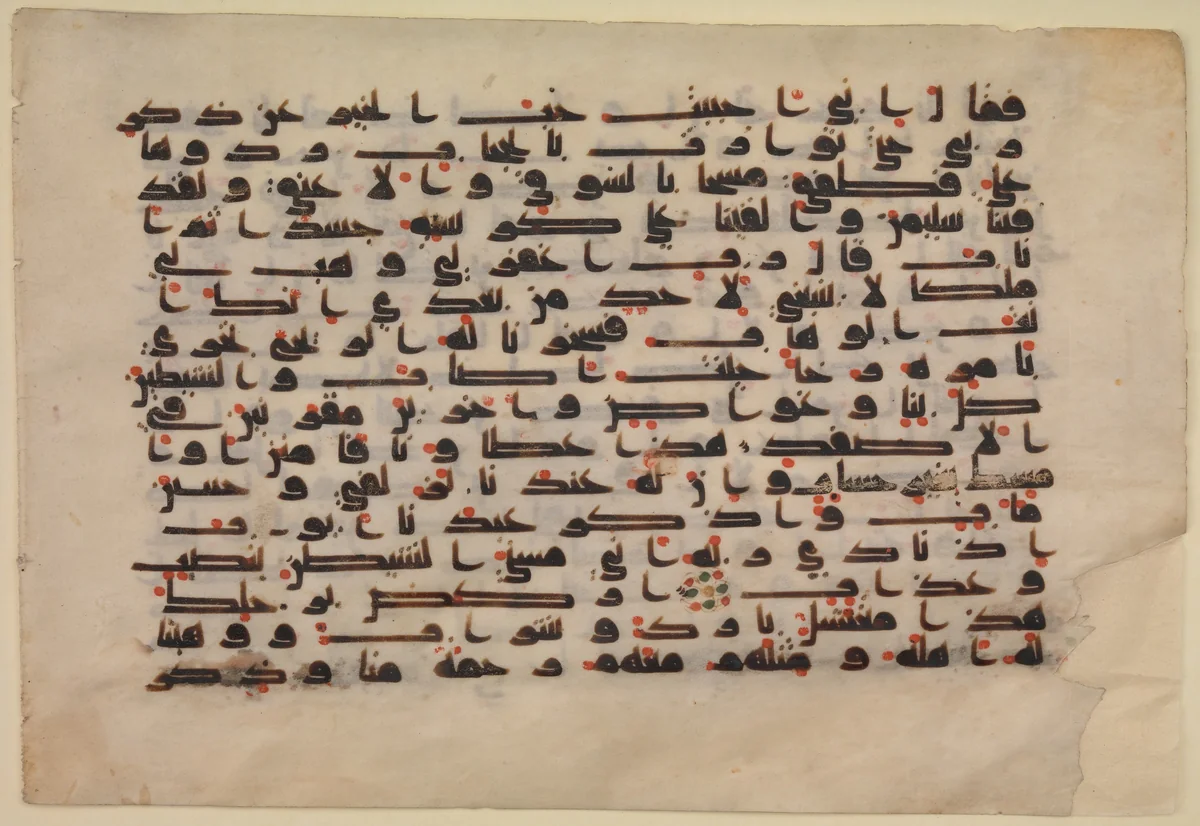
The original Arabic text
ولا يجرمنكم شنآن قوم على ألا تعدلوا اعدلوا هو أقرب للتقوىEditorial summary of the meaning (not a published translation): Hostility toward a group must not lead to unfairness; acting justly is associated with righteousness.
Read the surrounding context
The verse addresses believers and connects truthful testimony and fairness to accountability before God. Its demand is meaningful precisely when personal feelings make justice difficult. It does not ask a reader to agree with the person being treated fairly.
A hypothetical example
Imagine two neighbors in a dispute: a witness can disagree with one of them and still describe what happened honestly. That illustrates the ethical idea, not a historical event.
What this does not establish
A moral instruction is not statistical evidence about how any society behaves. Actual practices must be assessed independently.
Sources and references
- Scripture and translationsQuran 5:8 — verse and translations
Editorial draft; independent specialist review remains pending.