 BEYOND LABELS
READING GUIDE · 5
A first look at Islam and Muslim lives
Start with diversity, beliefs and daily practices before exploring ethical principles.
Educational preview: all linked articles await independent review. Guides are not certifications or definitive interpretations.
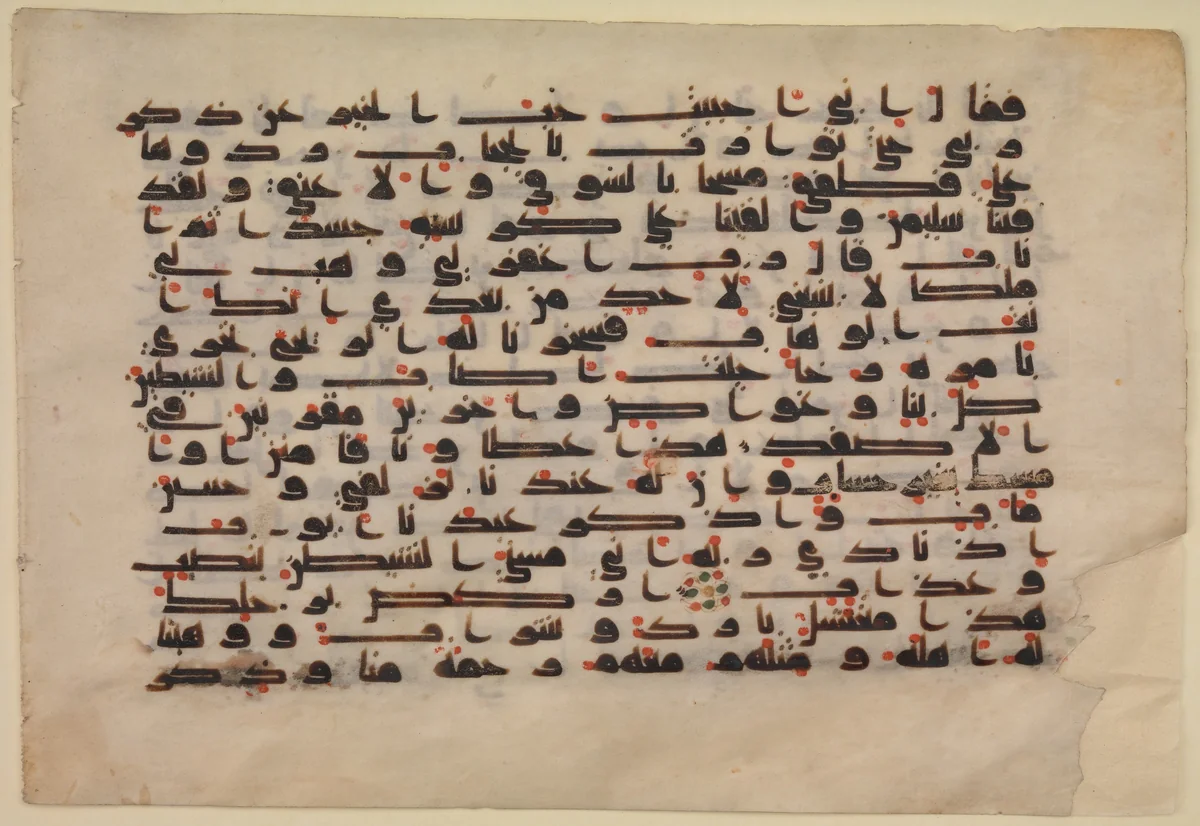
Section photograph · A parchment folio from a Qur’an manuscript, dated to the eighth or ninth century and catalogued as from Egypt or Iraq. Photo credit and license
Muslims belong to many cultures
A 2025 Pew Research Center analysis describes substantial racial, ethnic and religious diversity among Muslims in the United States. Muslim identity cannot tell us an individual’s nationality, personality or opinions. People vary in their practice and experience.
While reading: What can and cannot be inferred from a religious identity?
Human diversity and mutual knowledge
Quran 49:13 speaks of humanity being formed into peoples and tribes so that they may know one another. Readers can compare translations and explore scholarly interpretations of the verse.
While reading: How does the cited verse describe human difference?
Prayer in the rhythm of a day
The five daily ritual prayers are a central Islamic practice. Pew’s 2017 survey of Muslim adults in the United States found that practice varied: some reported completing all five prayers daily, while others prayed less frequently. Prayer can be fitted around school, work and family responsibilities.
While reading: How might practice differ between individuals?
What is Ramadan fasting?
Quran 2:183–185 introduces fasting and mentions exemptions for illness and travel. Muslims experience Ramadan in diverse ways, shaped by health, work, family and local traditions.
While reading: Distinguish the purpose of a practice from an individual experience.
Justice, even in disagreement
Quran 5:8 calls believers to uphold justice even when they feel hostility toward others. This is a religious ethical principle, not a claim that every Muslim or government always lives up to it.
While reading: What is the difference between an ethical ideal and actual behavior?